


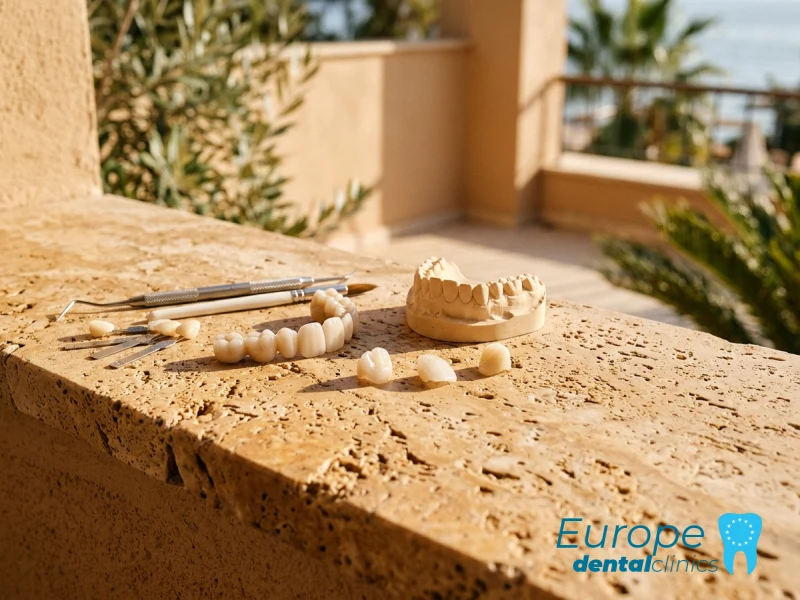
Dental tourism in Antalya can appeal to European patients seeking treatment alongside a stay on Turkey’s Mediterranean coast. However, choosing care abroad involves more than comparing package offers. Your decision should account for diagnosis, the amount of healthy tooth tissue involved, recovery time and access to help after returning home.
This guide explains how to assess treatment proposals, understand the risks and plan follow-up before committing to flights or paying a deposit.
Understanding Dental Tourism in Antalya
Dental tourism means travelling overseas for dental care, including fillings, crowns, veneers, implants or more extensive rehabilitation. Antalya has clinics serving international patients, sometimes with accommodation and transfers arranged through a coordinator.
A convenient package does not establish clinical quality. Assess the treating dentist, the proposed procedures and the aftercare arrangements separately from the hotel or transport offer.
Explore our dental treatment options, discover our clinic locations and meet our dentists for further information.
Start with a Diagnosis Before Comparing Offers
Photographs and online consultations can support an initial discussion, but they cannot replace a clinical examination. Your dentist may need appropriate X-rays, gum measurements and bite checks before confirming what treatment is suitable.
Obtain an Itemised Treatment Plan
Request a written plan identifying each tooth being treated, the diagnosis, proposed materials and reasonable alternatives. A second opinion from a dentist at home can help you understand whether the suggested work matches your needs.
Any quotation provided before examination should explain what could change after assessment and how additional treatment would affect your costs and schedule.
Know the Difference Between Veneers, Crowns and Implants
Veneers cover the front surface of teeth and may require enamel removal. Crowns cover more of the tooth and usually involve greater preparation. They may be appropriate for heavily damaged teeth, but preparing healthy teeth for crowns has lifelong consequences.
Dental implants replace missing tooth roots and require surgery. Suitability depends on factors including bone, gum health, smoking and medical history. Healing can take months, so a short holiday may cover only one stage of treatment.
Alternatives may include whitening, orthodontics, composite bonding, dentures or monitoring without immediate intervention.
Understand Risks and Give Informed Consent
Possible complications include sensitivity, infection, bite problems, gum irritation and restoration failure. Tooth preparation can occasionally lead to a later need for root canal treatment. Implants may fail to integrate or develop inflammation around them.
Informed consent means understanding benefits, risks, alternatives and likely maintenance before agreeing. Ask for explanations in a language you understand, and allow time to consider irreversible treatment without sales pressure.
Check the Dentist and Clinical Arrangements
Ask who will carry out each procedure and verify their professional registration through the relevant Turkish authorities. Establish whether a suitably qualified clinician will manage any specialist treatment.
Confirm who takes responsibility if your plan changes, a temporary restoration breaks or you need urgent care. Keep copies of your consent documents, treatment plan and payment terms.
Plan Travel Around Recovery and Follow-up
Leave time for assessment, treatment and review before departure. Ask the treating dentist when flying is appropriate, particularly after surgery or sinus-related procedures.
Before booking, arrange a realistic follow-up plan covering local reviews, emergency contacts and possible return visits. Check insurance exclusions: standard travel policies may exclude planned dental treatment and complications arising from it.
Calculate the Full Cost of Dental Treatment Abroad
Compare quotations using the same procedures, materials and number of appointments. A package total can be difficult to assess if laboratory work, temporary teeth, medicines or diagnostic tests are listed separately.
Budget for meals, time away from work and accommodation if treatment takes longer than expected. Currency conversion charges and payment fees can also affect the final amount.
Read Repair and Refund Conditions Carefully
A clinic’s warranty may cover only certain repairs and require you to return to Antalya. Request written terms showing exclusions, your responsibilities and who pays for additional travel. No warranty can guarantee a biological outcome.
Prepare Your Medical Information Before Departure
Provide an accurate medical history, including allergies, previous reactions to anaesthetic and all prescribed or non-prescribed medicines. Mention diabetes, bleeding disorders and any medicines used for osteoporosis, as these can affect planning.
Do not stop prescribed medication yourself. Changes to anticoagulants or other treatments should be agreed with the appropriate clinician. Tell the team if you are pregnant or could be pregnant.
Follow Procedure-Specific Aftercare Instructions
Recovery advice should match your treatment. After an extraction or implant surgery, the team should explain bleeding control, suitable food, oral hygiene and activity restrictions. Smoking can impair healing and increase complications.
Take pain relief only as advised and follow any antibiotic prescription exactly. Antibiotics are not necessary for every dental procedure and should not be used as a substitute for assessing a developing problem.
Avoid chewing while your mouth remains numb, as you may bite your cheek or tongue. Follow instructions about eating with temporary crowns or bridges, which may be less secure than final restorations.
Recognise Symptoms That Need Prompt Attention
Some discomfort or swelling can occur after surgery, but symptoms should follow the recovery pattern explained by your dentist. Increasing pain, fever, pus, persistent bleeding or a bite that prevents comfortable chewing warrant prompt assessment.
Difficulty breathing or swallowing, or rapidly spreading facial or neck swelling, requires emergency medical care. Seek help locally; do not wait for an online reply from the clinic or delay care until your flight home.
Protect Your Treatment Records and Personal Data
Request copies of relevant X-rays, clinical notes and details of the treatment completed. For implants, obtain the manufacturer, implant system and component information so another clinician can identify compatible parts.
Check how the clinic stores and shares your information. Consent to clinical photographs should be separate from permission to use your images in advertising or on social media. You should be able to decline promotional use without affecting your care.
Understand Complaints and Dispute Procedures
Find out which legal entity provides your care, especially when a booking agency handles payment. Keep invoices and written correspondence, including any changes agreed during treatment.
Ask for the clinic’s complaints procedure and the relevant external escalation route in Turkey. Resolving a dispute across borders can involve translation, independent assessments and legal costs. European consumer protections should not be assumed to apply in the same way to treatment purchased in Turkey.
Assess Gum Health Before Cosmetic Treatment
Bleeding gums, persistent bad breath or loose teeth may indicate disease that needs attention before cosmetic work begins. Placing restorations around inflamed gums can make cleaning harder and compromise the result.
Periodontal treatment may involve professional cleaning, changes to home care and reassessment after healing. If disease is advanced, stabilisation can take longer than a planned holiday. A responsible treatment schedule should accommodate this rather than compress every stage into your visit.
Consider How Your Bite Affects Treatment
Tooth wear, jaw discomfort and repeated chipping deserve investigation before extensive restorative work. Grinding, acid erosion and an uneven bite can each influence which treatment is appropriate and how long restorations last.
Discuss Changes to Tooth Shape and Height
Lengthening teeth or changing the way they meet can affect speech, chewing and comfort. Where appropriate, a trial with temporary restorations allows the dentist to assess these changes before completing the final work. Report discomfort during this stage instead of assuming you must adapt.
Use Smile Previews to Set Realistic Expectations
Digital designs and mock-ups can help you discuss tooth proportions and appearance. They are planning aids, however, and cannot predict healing, gum changes or the precise appearance of finished restorations under every lighting condition.
Discuss shade, texture and translucency alongside tooth alignment. Very pale, uniform teeth may look different from natural enamel. If you retain untreated teeth, consider how closely the proposed restorations will match them.
Clarify Sedation and Support Arrangements
Dental anxiety should be discussed before appointments are scheduled. Longer sessions may be tiring, particularly if several areas of the mouth require treatment. Breaks or shorter appointments may improve your ability to cope.
If sedation is proposed, establish who administers it, what monitoring is used and what preparation is necessary. Follow the team’s instructions about fasting and escort arrangements. After sedation, you may need a responsible adult with you and must avoid driving or making important decisions for the specified period.
Balance Holiday Activities with Your Treatment Schedule
Antalya’s beaches, excursions and nightlife can make a treatment trip feel like a conventional holiday. Your appointment schedule and clinical condition should determine which activities are suitable.
Ask for specific advice before swimming, strenuous exercise or using a sauna after surgery. Alcohol may interact with medicines or increase bleeding risk. Choose accommodation where you can rest comfortably and obtain suitable meals, especially if chewing is temporarily difficult.
Plan for the Ongoing Maintenance of Restorations
Crowns, veneers and implant restorations still require daily cleaning. Natural teeth can develop decay around restoration margins, while the tissues supporting implants remain vulnerable to inflammation.
Choose Cleaning Aids You Can Use Consistently
Ask for a demonstration of cleaning around bridges and implant restorations. Interdental brushes, floss threaders or other aids may be appropriate depending on the design and available space.
Agree on a personalised review interval with your dentist. Maintenance needs depend on your gum health, decay risk and the complexity of the work, rather than a single schedule suitable for every patient.
Prioritise Saving Teeth Where Clinically Reasonable
Removing a tooth is irreversible. Before agreeing to extractions, ask about its prognosis and whether a filling, root canal treatment or other restorative care could preserve it. Keeping a tooth may require further treatment, but replacement also brings maintenance needs.
For proposals involving removal of several teeth, an independent assessment is particularly valuable. Understand the reason for each extraction and the consequences of delaying it.
Understand the Limits of Same-Day Implant Teeth
Advertisements for “teeth in a day” usually refer to a particular stage of implant treatment. They do not necessarily mean receiving the final restoration or completing bone healing within one appointment.
Distinguish Temporary Teeth from Final Restorations
Immediate loading means attaching a restoration soon after implant placement. It is suitable only when clinical conditions allow. Ask what happens if the implants cannot safely support fixed temporary teeth, including whether you would need a removable denture during healing.
Explore Bone Grafting and Sinus Procedures
Some patients need additional surgery because there is insufficient bone for the proposed implants. Bone grafting or a sinus lift can add healing time, expense and potential complications to the original plan.
Discuss whether alternatives, such as a bridge or removable denture, could meet your needs. If grafting is recommended, obtain an explanation of the material, its origin and the expected treatment stages. This also allows you to raise personal or religious preferences.
Look Beyond Material Brand Names
Terms such as zirconia and lithium disilicate describe materials with different properties. Neither is automatically the best choice for every tooth. The available space, bite forces, appearance and method of attachment all influence selection.
Ask why a particular material suits your case and which laboratory will make the restoration. A recognisable brand alone does not establish the quality of tooth preparation, fit or cementation, which also affect performance.
Check Infection Prevention and Accessibility
A clinic should be able to explain how it sterilises reusable instruments and manages items intended for single use. A polished reception area or attractive social media account provides little information about these clinical processes.
Raise practical access needs before travelling, including step-free entry, wheelchair access or assistance with communication. If you have a latex allergy or another requirement affecting appointments, confirm that the clinical team can accommodate it.
Keep Control of Decisions During Your Visit
An examination in Antalya may reveal findings that alter the initial proposal. Ask the dentist to explain these findings and distinguish urgent care from optional improvements. Request an updated written plan before additional irreversible work starts.
Allow Time to Pause or Defer Treatment
You can decline a proposed procedure or withdraw consent before it begins. If you feel rushed, consider postponing elective treatment, even if travel arrangements are inconvenient.
When treatment has already started, ask what is needed to leave your mouth safe and comfortable if you defer the remaining work. Clarify the condition of any prepared teeth, the limits of temporary restorations and how soon further care will be required.
Frequently asked questions
Why do European patients consider Antalya for dental treatment?
Antalya attracts patients with advertised treatment prices that may be lower than private fees in their home countries, a wide choice of clinics and direct flights from many European cities. However, prices and standards vary between providers. Compare the full treatment plan, the dentist’s qualifications and the arrangements for follow-up care before booking.
How can I check the credentials of a dental clinic in Antalya?
Ask for the clinic’s legal name, licence details and current authorisation to provide international health tourism services, then verify these with the relevant Turkish authorities. Request the treating dentist’s full name, professional registration and any recognised specialist qualifications relevant to your procedure. Independent reviews can provide useful context, but they cannot establish clinical competence or regulatory compliance.
What should a reliable treatment plan include?
A treatment plan should explain the diagnosis, proposed procedures, reasonable alternatives, material choices, risks, expected recovery and total estimated cost. Photographs and scans sent remotely can support an initial assessment, but a final plan usually requires an examination and appropriate imaging. Ask why each tooth needs treatment, particularly if extensive crowns, extractions or implants are proposed.
How much can dental treatment in Antalya cost overall?
The total depends on the condition of your teeth and gums, the complexity of treatment, laboratory work and the materials used. Request an itemised quotation covering consultations, imaging, anaesthesia, temporary restorations, medicines and any additional procedures. Include flights, accommodation, time off work, return visits and possible treatment for complications when comparing the overall cost with care at home.
Can crowns, veneers and dental implants be completed in one visit?
Some crowns and veneers can be completed during one trip, although assessment, laboratory work and adjustments still require adequate time. Implant treatment often involves several stages, with healing over months and sometimes additional time for bone grafting. Immediate temporary teeth may be suitable for selected patients, but they do not mean that healing is complete or that a permanent restoration is ready.
What are the main risks of having dental treatment abroad?
Risks include infection, persistent pain, sensitivity, nerve injury, bite problems, implant failure and restorations that need adjustment or replacement. Extensive tooth preparation for crowns is irreversible, so the benefits and alternatives need careful discussion. Travel can make reviews and urgent care harder to arrange, especially if problems appear after you return home.
How should I prepare medically before travelling to Antalya?
Give the dentist an accurate medical history, including allergies, medicines, smoking and conditions such as diabetes or heart disease. Mention blood thinners, medicines used for osteoporosis and any previous difficulties with anaesthesia or sedation. Do not stop prescribed medicines without advice from the prescribing clinician, and ask whether existing gum disease or other dental problems should be treated before your planned procedure.
How long should I stay, and when can I fly home?
Your stay should allow time for assessment, treatment, recovery and a final review, with some flexibility for delays or adjustments. There is no single safe flying interval for every dental procedure; surgery, sinus involvement, sedation and complications can change the advice. Ask the treating clinician for guidance before booking your return flight, and avoid scheduling strenuous activities immediately after surgery.
What aftercare and records should I arrange before leaving Antalya?
Obtain written aftercare instructions, an emergency contact and a clear schedule for reviews. Ask for copies of your treatment notes, relevant X-rays, prescriptions and details of any implants or restorative materials used. Establish who will manage problems after you return home and who will pay for treatment and travel. Seek urgent local care for uncontrolled bleeding, rapidly increasing swelling, or difficulty swallowing or breathing.
Will insurance, European healthcare arrangements or a clinic guarantee cover problems?
The EHIC and GHIC do not cover planned private dental treatment in Türkiye. Standard travel insurance may exclude planned treatment and related complications, so obtain written confirmation of any cover before travelling. Read clinic guarantees carefully for exclusions, maintenance requirements and responsibility for return travel. Complaints and compensation routes may differ from those at home, and a dentist in your home country may charge to assess or correct previous work.
